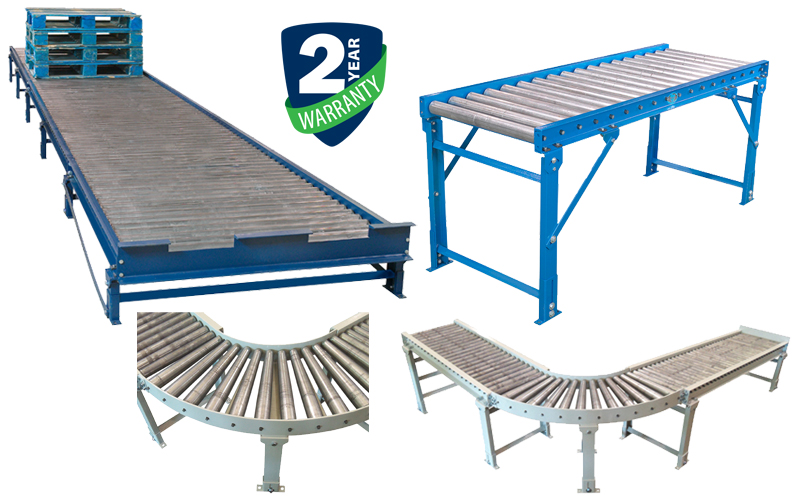
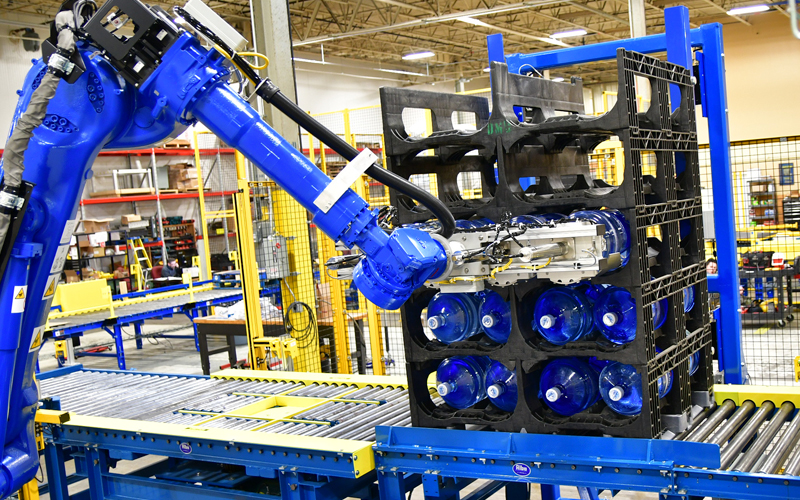
In pallet handling, durability is not a “marketing”extra. It is the difference between a conveyor system that supports production for years and one that becomes a steady source of downtime, repair costs, and frustration. In demanding industrial environments, conveyor equipment has to do more than move product from one point to another. It has to handle real loads, real abuse, and real operating pressures without losing performance.
That is why heavy-duty conveyor design matters.
At Alba Manufacturing, we have built our reputation on producing pallet handling equipment that is engineered for long-term reliability. When we say our equipment is “Rock Solid,” we mean it in the practical sense. It is built to stand up to repeated use, harsh conditions, heavy loads, and the day-after-day demands of real production environments. That kind of durability does not happen by accident. It comes from sound decisions in material selection, frame construction, and component engineering.
Material Selection
The first-place durability begins with material selection. Lighter-duty systems often rely on thinner materials or construction methods better suited to lighter applications. That may reduce upfront cost, but it often creates problems later when equipment is exposed to impact, shifting pallet loads, or continuous operation. Heavy-duty conveyor equipment needs materials that can maintain structural integrity, absorb the day-to-day rigors of abuse, and maintain hiqh quality and durability over time. Structural steel construction provides the strength and rigidity needed for demanding pallet handling applications, especially where loads are substantial and uptime matters.
Frame Construction
Frame construction is just as important. A conveyor frame is the foundation of the entire system. If that frame flexes, twists, or weakens under load, the rest of the conveyor will suffer. Bearings, chains, rollers, transfers, and drives all depend on a stable structure to perform properly. A well-built heavy-duty frame resists deflection, keeps components aligned, and helps the equipment operate smoothly over the long haul. This is one of the reasons welded structural construction remains such an important part of our true industrial conveyor design. It creates a more rigid, dependable platform for the system as a whole.
Component Engineering
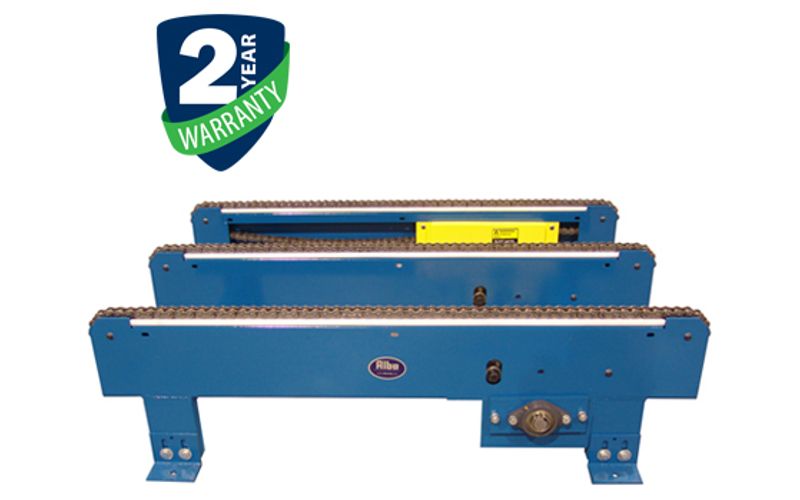
Component engineering also plays a major role in longevity. Durable equipment is not simply a strong frame with standard parts bolted onto it. Each component has to be selected and designed with the full application in mind. Rollers, chains, bearings, motors, drives, and lift mechanisms must work together under real operating conditions. In pallet handling, that means accounting for load weights, load consistency, cycle rates, environmental conditions, and the wear points that develop over time. When components are engineered for those realities, the result is better performance, longer service life, and less downtime.
Conveyor Accessories
That same thinking applies to conveyor accessories and integrated application equipment. Stops, transfers, turntables, lift tables, and control packages should not be treated as afterthoughts. They need to match the duty level of the conveyor itself. Weak links in a system rarely stay isolated. One underbuilt component can create maintenance headaches for the entire line. Proper engineering helps ensure that each part of the system contributes to reliability rather than working against it.
Longevity and Uptime
Longevity and uptime are closely tied together. Every maintenance event, adjustment, or failure takes time away from production. Even small interruptions add up. That is why durable conveyor design has a direct effect on operating cost. Equipment that lasts longer, stays aligned, and handles daily abuse with less intervention helps reduce maintenance labor, minimize replacement part costs, and avoid the ripple effects of unplanned downtime. Over time, that kind of reliability delivers real value.
There is also a difference between equipment that looks heavy-duty and equipment that actually is. In this business, appearances do not keep production moving. Sound engineering does. A conveyor system should be designed for the environment it will live in, the pallets it will carry, and the long-term demands it will face. That requires experience, discipline, and a clear understanding of what industrial customers actually need.
At Alba Manufacturing, we have spent decades focused on building pallet handling equipment that holds up in the real world. That means no gimmicks, no light-duty shortcuts, and no guessing when durability is on the line. It means building equipment that supports uptime, protects productivity, and gives customers confidence that their conveyor system will do its job day after day, week after week, year after year.
That’s what makes our heavy-duty conveyor equipment truly rock solid.