
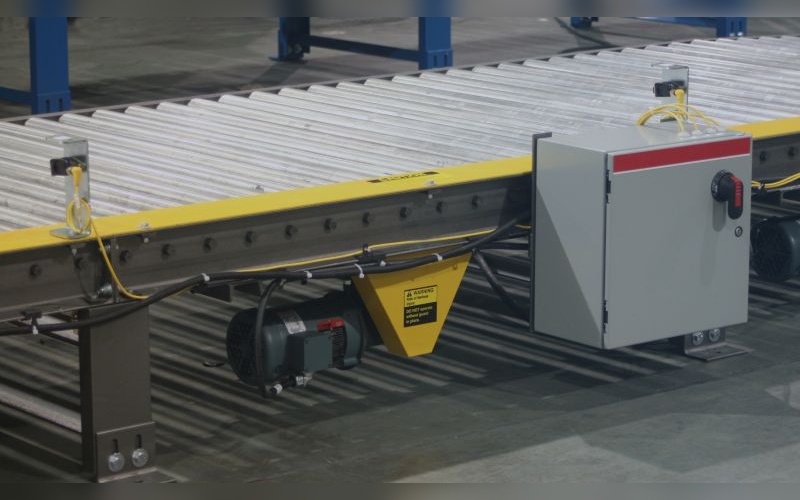
In pallet handling and industrial automation, maintenance is not something that starts after a conveyor system is installed. It starts at the design table.
A properly designed conveyor system should do more than move product from one point to another. It should be built so operators, maintenance teams, and plant managers can keep it running with fewer problems, easier service access, and less unplanned downtime. When equipment is designed with maintenance in mind from the beginning, the entire operation benefits later.
That is the value of preventive conveyor design.
Too often, maintenance becomes harder than it needs to be because the system was designed only around movement, layout, or initial cost. Those things matter, but they are not the full picture. A conveyor that is difficult to inspect, hard to lubricate, or built with light-duty components can quickly become a maintenance headache. What looked like a cost savings up front can turn into lost production, emergency repairs, and frustrated maintenance teams down the road.
Good conveyor design should make maintenance easier, not harder.
One of the most important considerations is access. Lubrication points, bearings, chains, motors, sensors, and wear components should be positioned so maintenance personnel can reach them safely and efficiently. If a technician has to remove guarding, crawl into an awkward space, or shut down a large section of equipment just to perform basic service, the design is working against the plant. Easy-access lubrication points and service areas help encourage regular maintenance because the work can actually be done without unnecessary hassle.
Standardized components also make a major difference. When a conveyor system uses common motors, reducers, bearings, rollers, sensors, and controls wherever possible, maintenance becomes simpler. Plants can stock fewer spare parts, technicians become more familiar with the equipment, and replacement work can be completed faster. Standardization reduces guesswork. It also helps avoid the problem of one-off parts that are difficult to source when production is already down.
Rugged construction is another key factor. In heavy-duty pallet handling environments, conveyors deal with real loads, real impacts, and real-world abuse. Weak frames, light-duty supports, and underbuilt components may function at first, but they often fail once the equipment is exposed to daily production demands. Fully welded structural steel construction, properly sized rollers, heavy-duty chains, and durable drive components help the system hold alignment, handle load stress, and perform reliably over time.
Preventive design also means thinking through the application before equipment is built. Pallet size, pallet weight, bottom-board condition, load stability, operating environment, transfer points, speed, accumulation needs, and upstream or downstream equipment all affect conveyor performance. A system designed without those details may technically move the load, but it may not do so reliably. The more accurate the application information, the better the design decisions will be.
Controls and sensors should also be considered from a maintenance standpoint. Properly placed photo-eyes, proximity sensors, junction boxes, and quick-disconnect wiring can make troubleshooting faster and cleaner. Prewired and tested systems reduce installation problems and help maintenance teams identify issues more quickly when service is needed. A conveyor system should not require a full electrical investigation every time a sensor needs adjustment or replacement.
Safety also plays a role in maintenance efficiency. Equipment that is easier and safer to access is more likely to be maintained correctly. Clear guarding, thoughtful access points, and service-friendly layouts help reduce risk while supporting uptime. Maintenance shortcuts often happen when equipment is difficult to work on. Good design helps prevent that problem before it starts.
The best time to reduce future downtime is before the conveyor is installed. Once equipment is on the floor, poor access, nonstandard parts, weak construction, and layout issues become much harder and more expensive to correct. Designing for maintenance from the beginning helps protect production, reduce service delays, and extend the life of the equipment.
At Alba Manufacturing, conveyor design is not treated as a short-term transaction. It is about building pallet-handling equipment that can stand up to demanding environments and remain serviceable for years. From rugged construction to practical component selection and maintenance-friendly layouts, every design decision should support long-term reliability.
Design now to make maintenance easier later. That’s not just good engineering. It’s common sense.
Design maintenance into your conveyor system from the start. Contact Alba Manufacturing to discuss a rugged, service-friendly pallet handling solution for your application.